
Advanced Home Sleep Apnea Test and Analysis Solution at the ERS Congress 2025
Meet Us at ERS Congress 2025
We are excited to participate in the annual European Respiratory Society (ERS) Congress in Amsterdam on September 28-30. We welcome you to visit our stand K.05A to get an introduction to Bittium Respiro™, an advanced Home Sleep Apnea Test and Analysis Solution!
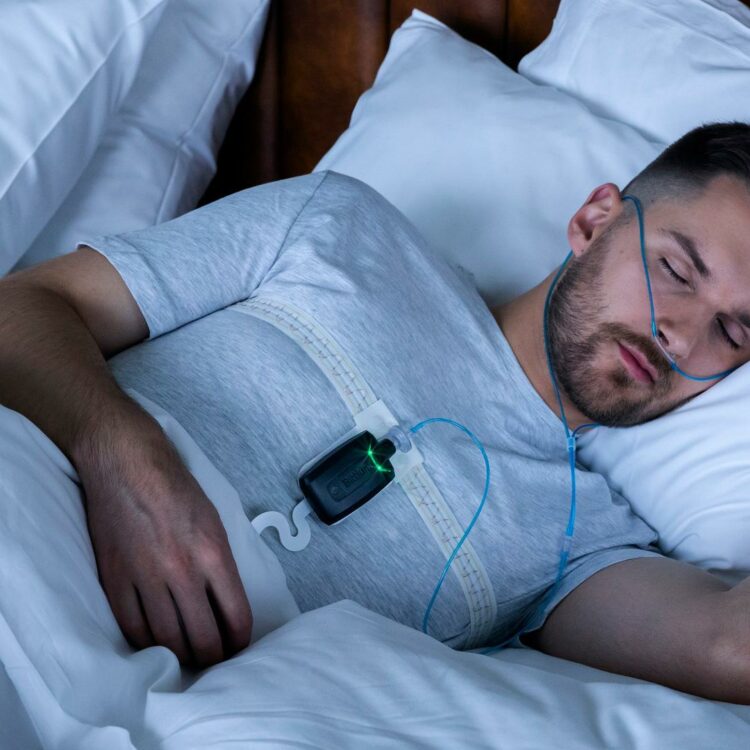
The MDR approved Bittium Respiro is a home sleep apnea testing (HSAT) device and analysis solution for the diagnosis of sleep-related breathing disorders. This compact, one-button control device, is designed to provide patients with a simple way to perform sleep studies in the comfort of their home – while also being suitable for use in clinical settings. Bittium Respiro is an easy-to-use solution for service providers, hospitals, clinics, and health centers. We are happy to tell you more and learn about your sleep study needs.
📆 September 28 – 30
📍 Stand K.05A
Schedule a meeting with our experts by filling the form below.
Key Benefits of Bittium Respiro™

Service Providers, Hospitals, Clinics
- One device (HW&SW) with an adaptive sensor configuration
- Compliancy with American Academy of Sleep Medicine (AASM) rules

Hospitals, Clinics
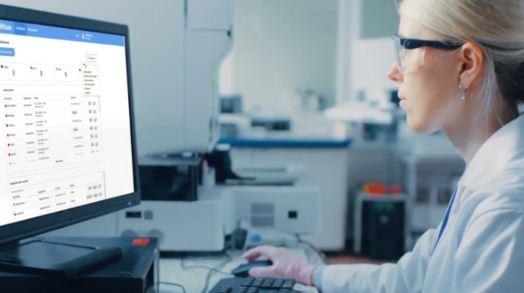
- Advanced web-based remote diagnostics service platform enables location-independent analysis work
- Qualified algorithms utilizing AI pre-analyze the measurement data and enable quick analysis and diagnosis work
- A semi-automated statement tool with a sentence bank simplifies report creation
Specialists
- Small size, wireless connectivity and one button usage make the device easy and comfortable for the patients
- A user-friendly and convenient alternative to a traditional in-lab sleep study
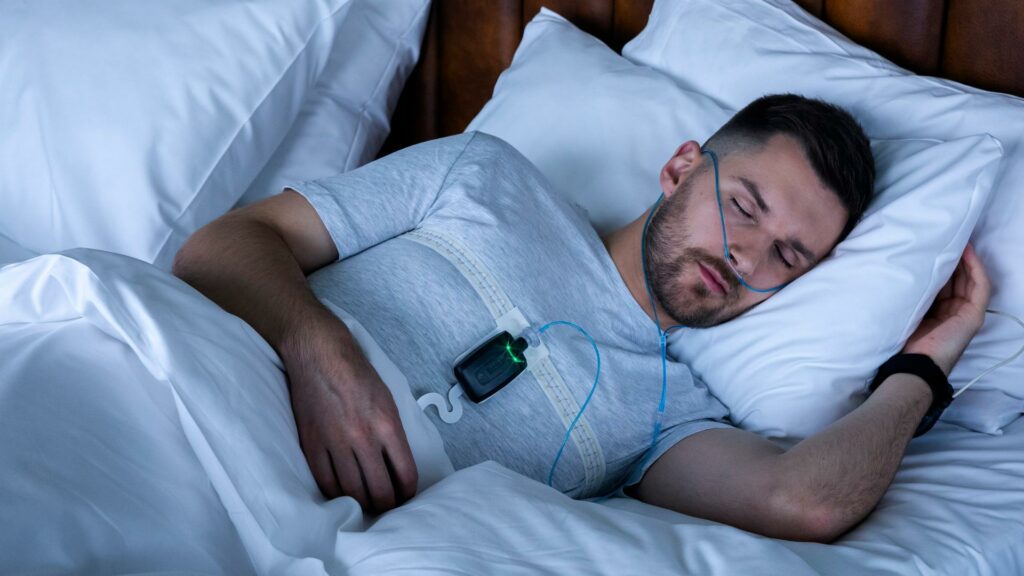
Bittium Respiro™ – Home Sleep Apnea Testing Empowered with Artificial Intelligence
Bittium Respiro™ is a modern sleep apnea ambulatory recording device and analysis service solution for service providers, hospitals, clinics, and health centers. It is focused on Home Sleep Apnea Testing (HSAT) and intended to record standard PG level data and analyze typical sleep related breathing disorders, such as obstructive sleep apnea, central sleep apnea, mixed sleep apnea, hypopnea, and Cheyne-stokes breathing.